


Cystitis is an inflammation of the bladder, which most often has an infectious origin.The symptoms of the disease are painful and interfere with normal quality of life.Furthermore, this disease can pose a serious threat to kidney health.How to recognize the first symptoms of cystitis and, most importantly, how to avoid it?An immunologist answered this question.
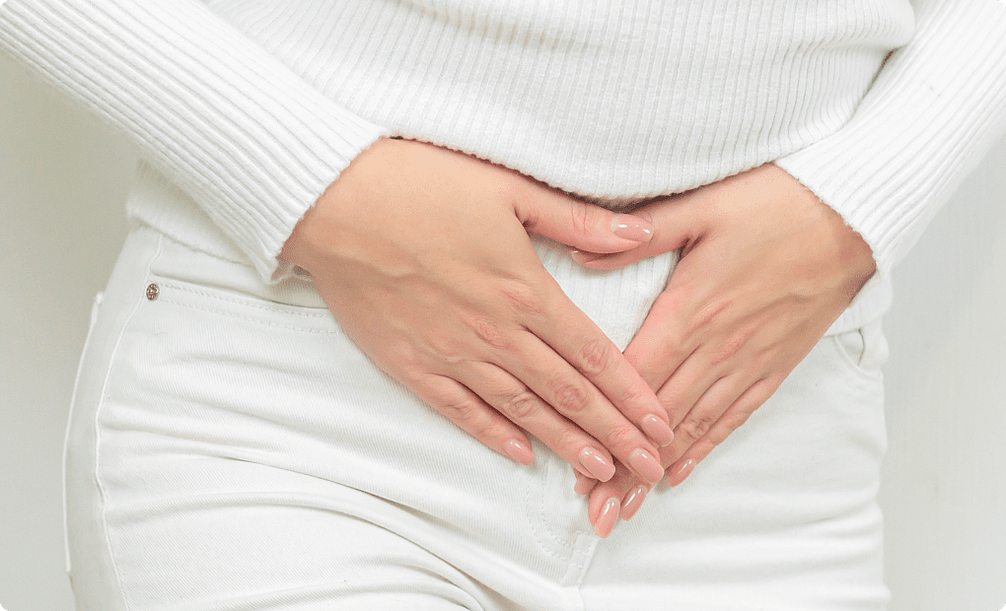
Causes of inflammation
The urinary system includes: kidneys, ureters, bladder and urethra.The main purpose of the system is to filter the blood and remove metabolic products and medications from the body.Cystitis is an inflammation of the bladder and the cause can descend through the kidneys, that is, spread along the descending path or, conversely, ascend through the urethra.
There are gender differences in the structure of the urinary system.Whereas women have shorter and thicker urethras.Infections spread more easily and quickly to the bladder, so women are at risk.In clinical practice, it is customary to distinguish several types of cystitis.
- Bacterial cystitis most often occurs when bacteria enter the urinary tract through the urethra.The inflammation is caused by E. coli, which spreads through the anal region.Another possible route of transmission is through sexual intercourse.However, inflammation can be triggered by your own microbiome.
There are also non-infectious cystitis, which have several types:
- Interstitial
The exact cause of chronic inflammation is unclear.But statistically it is more often recorded in women.However, diagnosis and treatment are difficult due to the specific condition, as well as a lack of understanding of the causes of inflammation.
- Medicine
Inflammation can be triggered by taking certain medications.For example, chemotherapy drugs, as the elimination of metabolic products occurs through the kidneys and bladder.
- Ray
Radiotherapy to the pelvic organs, prescribed for the treatment of oncological pathologies, can cause inflammation.Chemotherapy adds complications, which not only irritate the bladder walls, but also reduce the functioning of the immune system.
- Foreign body cystitis
Long-term catheterization predisposes to the development of bacterial cystitis, as well as traumatic tissue damage, which only complicates the situation.
- Allergic
Inflammation can be triggered by the action of certain cosmetics, for example bubble baths, washing gels, as well as some contraceptives (spermicidal creams).
- As a symptom of other diseases
Sometimes cystitis can be a symptom or complication of other diseases, such as diabetes, urolithiasis, prostatitis and prostate adenoma.
Risk factors
Some people are more likely to develop bladder infections, such as women.But there are other risk factors:
- Sexual intercourse
Excessively active sexual intercourse or with a full bladder increases the likelihood of developing cystitis.
- Using certain types of contraceptives
Using a diaphragm increases the likelihood of developing cystitis.Some types of barrier contraceptives containing spermicidal agents increase the likelihood of developing cystitis.
- Pregnancy
In this case, hormonal changes, decreased immune function and growth of the uterus, which puts pressure on the bladder, predispose to inflammation.
- Menopause
In this case, hormonal changes, as well as dry mucous membranes, predispose to inflammation.
- Urinary flow disorders
In men, cystitis develops due to a violation of the outflow of urine, which can occur with urolithiasis or an enlarged prostate.It should be noted that in men without predisposing factors, cystitis rarely develops.
Cystitis symptoms
The symptoms of cystitis vary depending on the form and cause of the inflammation.But it is still possible to identify a number of common ones that form in any form of inflammation:
- Frequent urination
This is the first and early sign of cystitis.Due to inflammation of the bladder walls, the receptors become irritated by even small amounts of urine.Because of this, a frequent urge to urinate is formed, but a small amount of urine is released.
- Bladder sensation that is not completely empty
This can be explained by the inflammatory process and irritation of the bladder walls.Together with frequent urination, it disrupts the normal quality of life, interferes with daily activities and can cause increased irritation and mood changes.
- Burning sensation when urinating
Gradually, a pronounced burning sensation appears when urinating.Initially, at the end of the urethra, when urination begins, but when it ends, a burning sensation rushes towards the bladder.The severity of the burning sensation can vary and depends on the severity of the disease.
- Pain
Along with the burning sensation, pain appears when urinating.Sometimes it is very difficult to distinguish between burning and pain;they merge.Sometimes pain and discomfort in the pelvic region can persist even into the pelvic organs.
- Temperature increase
In cystitis, body temperature rarely rises to high levels (up to 37.5º C) and often remains completely normal.
- Changes in urine
Urine may have a distinct, unpleasant odor.In some cases, various impurities can be found: sediment or blood in the urine, due to which it changes color - darkens.
Alarming symptoms
There are several symptoms that require urgent medical attention.These include:
- Severe pain in the back and/or sides, which can radiate to the groin.In combination with signs of cystitis, this may indicate urolithiasis and other signs.
- A significant increase in body temperature - more than 38º C. An increase in temperature is a sign of severe inflammation.
- Nausea and vomiting.The appearance of such symptoms indicates severe intoxication, as this is a defensive reaction, as the body tries to get rid of toxins.
- You should immediately consult a doctor if you experience frequent and painful urination containing blood.You need to be especially careful if symptoms appear after taking antibiotics.
Possible complications
Complications only arise if there is no treatment or if the doctor's recommendations are not followed.Complications include kidney damage.The infection can travel from the bladder to the kidneys and cause pyelonephritis.And this is a very serious disease that can cause irreversible kidney damage and metabolic disorders.Children and the elderly, as well as women during pregnancy, are at risk of developing such complications.
How to prevent cystitis
When the first symptoms appear, it is necessary to take active treatment measures under the supervision of a doctor.To determine treatment tactics, you need to undergo an examination and determine the causes of inflammation.Collecting complaints, symptoms and suspected causes will help with this.
Considering that most often the cause of inflammation is bacteria, patients are prescribed antibiotics, as well as baths with anti-inflammatory solutions and other recommendations that will help quickly cope with inflammation.
In the future, it is recommended to follow the following rules:
- Maintain your drinking regimen.
This is the main rule that must be followed especially strictly.
- Go to the bathroom when you first feel like it.
If you feel the urge to urinate, you should go to the bathroom immediately;It is strictly prohibited to support it.By the way, this rule must be followed outside of cystitis.
- Observe personal hygiene rules.
When washing, the water jet and hand movements should be directed from the pubis to the anus.The same rule must be followed during all manipulations.During personal hygiene, it is not recommended to use hard brushes or scrub the area around the vagina and anus too intensely.
- Take a shower.
Unlike bathing, bathing allows water to drain and prevents the spread of infections.
- Empty your bladder.
You should go to the bathroom and empty your bladder before and after sexual intercourse.A popular book described the situation: with a full bladder, the body becomes brighter and stronger.In fact, this is not true, the only desire is to go to the bathroom faster and the symptoms of cystitis do not take long to appear.